CAYUNDA, Herbert Paña
As student activists made their presence more and more felt in the national political scene, so did they in Davao.


As student activists made their presence more and more felt in the national political scene, so did they in Davao.
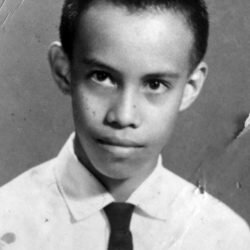
Godofredo was a college senior in the year 1970, with a very promising future, when he got interested in these events that rocked the country’s political life from 1970 to 1972.
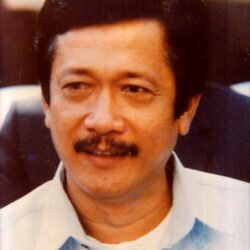
Nonoy started community work around Davao City to organize people to fight for democracy and resist the martial rule of the Marcos regime.

Sabino “Abe” Padilla was an academic, anthropologist, artist and organizer who got involved in important activist struggles during the Marcos regime.
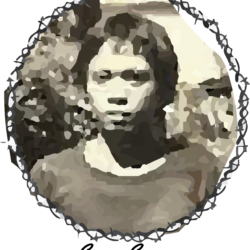
Cesar Cayon’s fight against the Marcos dictatorship began with the disappearance of his Manoy Fred, his elder brother.

When martial law was declared, Cecilio, in first year college at UP and one of the prominent members of SDK, was among the many student activists arrested in the crackdown that ensued. He was detained at Camp Aguinaldo but was released after a week upon his father’s representations.
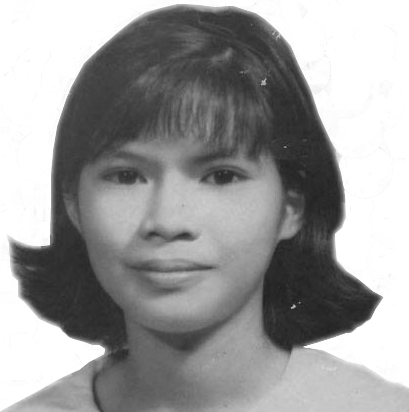
The parents of Ester originated from Maribojoc, Bohol province but migrated to Mindanao after World War II (late 40s) where her civil engineer father managed road projects (from Davao, Agusan, Zamboanga, Iligan and Cagayan de Oro) and her mother taught in the public schools there. The family settled in Iligan City in the early 1960s. Read more about KINTANAR, Ester Resabal[…]

Among his many involvements in the struggle against the Marcos dictatorship, Nicanor R. Gonzales is most remembered for his work among teachers in Davao and Southern Mindanao. Among them, he was venerably called “Sir Nick”. Nonoy and Nick among family and friends, Nicanor was a native of Davao City, born on April 02, 1940. Born Read more about GONZALES, Nicanor R., Jr.[…]

Sonny’s death and the Diliman Commune would open up reflections by the whole UP academic community of what “serving the people” meant to people in the university.

In the 1960s, a red Jaguar would streak around Davao City, and all city residents knew the driver was that charming boy “Taking,” because who else had a red Jaguar anywhere? Taking was Eduardo Lanzona, who belonged to a very prominent family in the city.