ABELLANA, Godofredo
Godofredo was a college senior in the year 1970, with a very promising future, when he got interested in these events that rocked the country’s political life from 1970 to 1972.

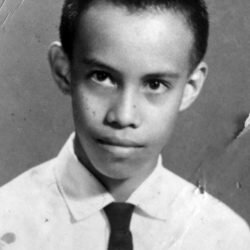
Godofredo was a college senior in the year 1970, with a very promising future, when he got interested in these events that rocked the country’s political life from 1970 to 1972.
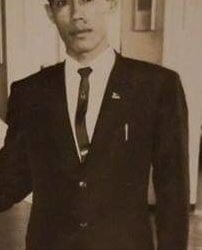
Nestor heard of the First Quarter Storm in Manila while attending a big anti-war demonstration in Trafalgar Square in London in May 1970. Something in him clicked; working odd jobs once more, he hitchhiked his way back to his country.
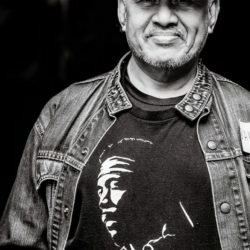
Baltazar Pinguel came from a poor migrant family from Samar. He was a bright student, earning honors from elementary to his high school years.
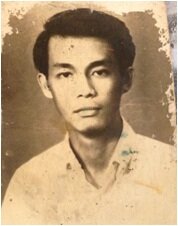
James went back to Iligan in 1970, where he began to organize among students, farmers, workers and Moro communities in the Lanao provinces.
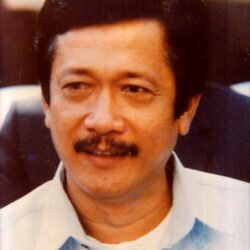
Nonoy started community work around Davao City to organize people to fight for democracy and resist the martial rule of the Marcos regime.
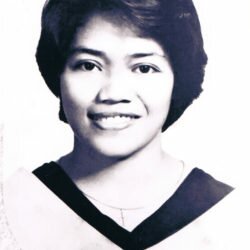
Eldest of seven children, Ruth Dueñas was jolly, honest, and was used to looking after her siblings. The word most often used to describe her was courageous.
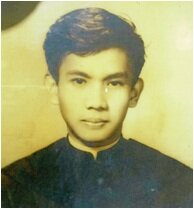
With the declaration of martial law, Alfredo returned to his hometown Bolinao, Pangasinan where he organized resistance to the regime.
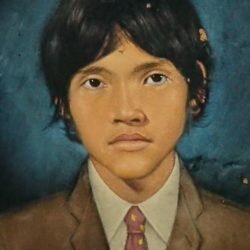
Edgar Ang Sinco was 19 years old when he was killed, regarded not only as Davao City’s martyr but its first in the struggle against the Marcos dictatorship.

Alfonso T. Yuchengco gave his wholehearted support to the people’s opposition to the Marcos dictatorship as open resistance was building up in the urban areas towards the late 1970s.

Francis Superal Sontillano died at 15, a young martyr in the fight against injustice during the time of Ferdinand Marcos.